
Current Situation
Our client, with a strong business background, identified a lucrative opportunity to enter the Australian market with innovative IoT products focused on home automation. Despite his business acumen, he lacked the technological expertise needed to bring this vision to life. To overcome this, he collaborated with an electronics research and development firm for the hardware and chose us to develop the mobile application that would power these IoT solutions.
The Challenge
The primary challenge was the client's unfamiliarity with the technological landscape, coupled with the complex demands of IoT product development. The hardware team had designed a highly sophisticated IoT architecture, featuring a wide array of sensors, actuators, controllers, and other components. Our task was to create a mobile app solution capable of supporting all potential use cases for this intricate IoT system, ensuring seamless operation across various devices.
The Problem
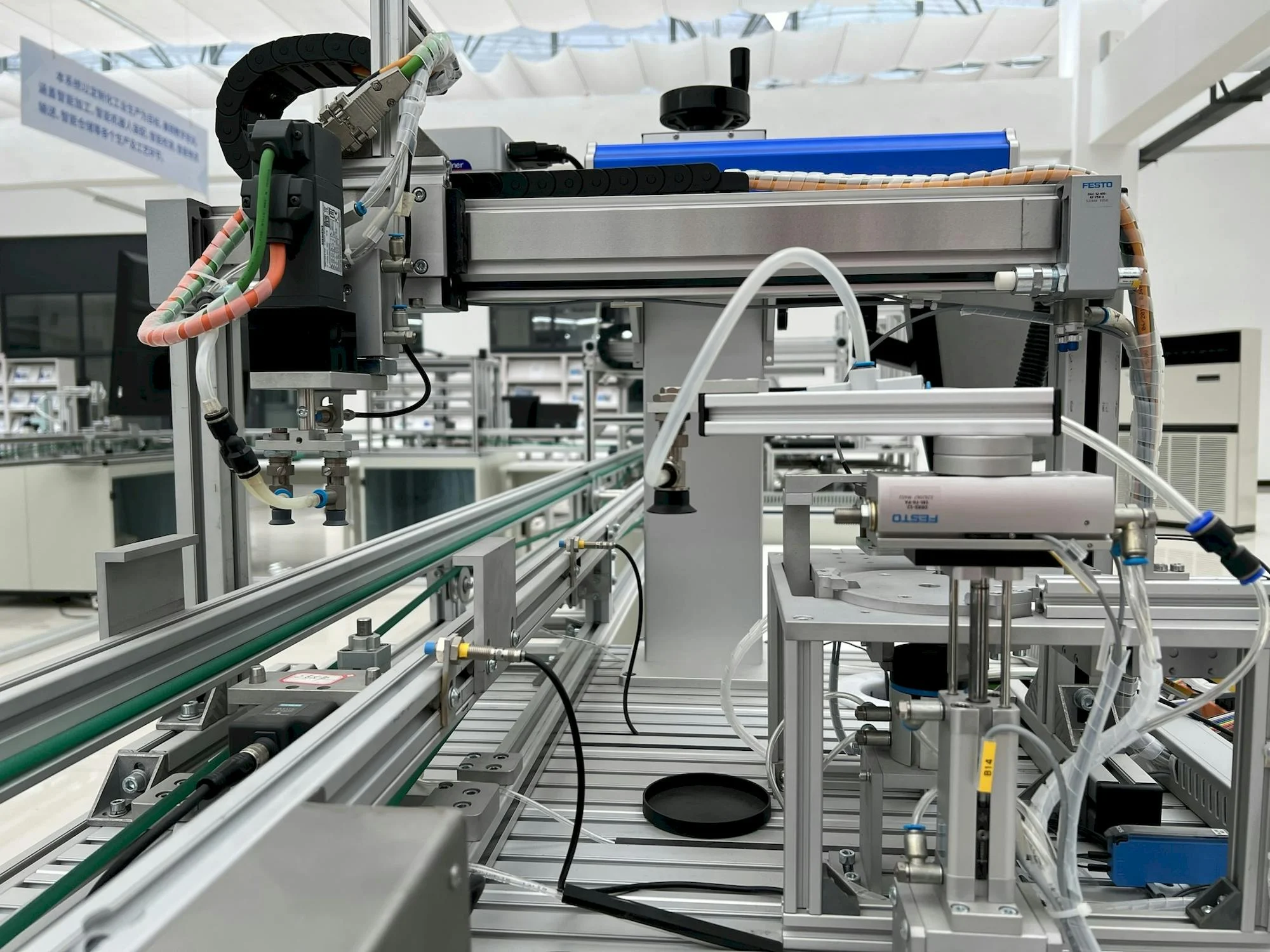
The IoT hardware was designed to accommodate multiple device types, ranging from 2-channel to 32-channel relay boards, motor controllers for curtain automation, and analog controllers for adjusting bulb modes, fan speeds, and other analog devices. This wide variety of hardware configurations required a highly flexible and robust software solution. Additionally, the system needed to support integration with Amazon Alexa and Google Assistant, adding another layer of complexity to the project. The challenge was to ensure that the software could handle all these variables smoothly, enabling seamless user interaction with the home automation devices.
The Solution
We developed a comprehensive mobile application that supported the entire range of IoT hardware designed by the client's R&D team. The app was engineered to handle multiple device types, including 2, 4, 8, 16, and 32-channel relay boards, motors for curtain control, and analog controllers for various home automation functions.
To ensure seamless communication between the hardware, mobile app, and server, we implemented MQTT (Message Queuing Telemetry Transport) protocol. This lightweight messaging protocol enabled efficient and reliable communication, essential for the smooth operation of the IoT devices in a home automation setting.
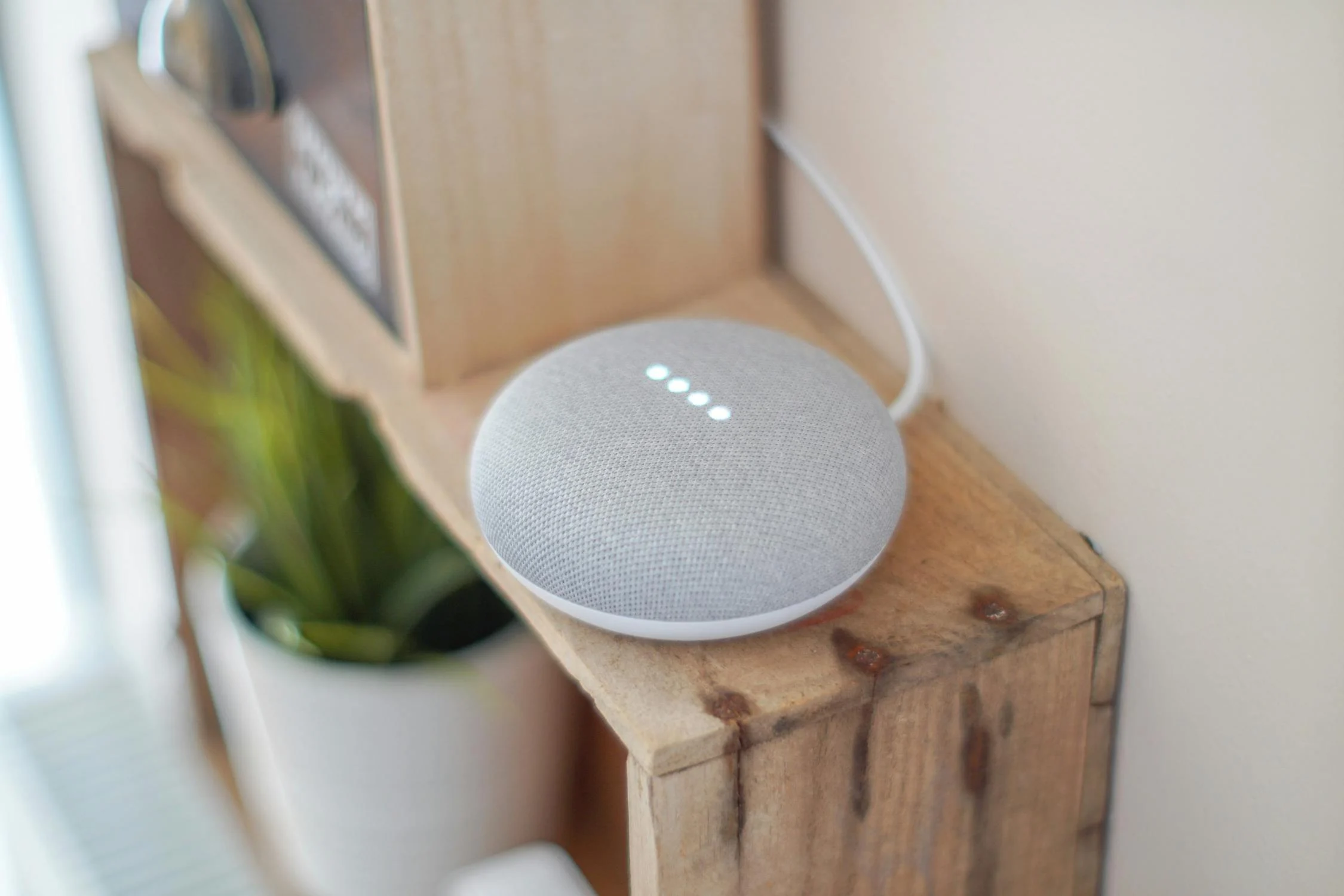
Moreover, we integrated the system with Amazon Alexa and Google Assistant, allowing users to control their home automation devices via voice commands. This feature significantly enhanced the user experience, making it easier and more convenient for customers to interact with their smart home systems.
The Outcome
The successful development and deployment of the mobile app and IoT architecture enabled the client to launch his products in the Australian market with confidence. The solution we provided not only met the complex requirements of the hardware but also ensured a user-friendly experience that catered to a wide range of use cases. The integration with voice assistants like Alexa and Google Assistant further positioned the product as a cutting-edge solution in the competitive home automation market.
By bridging the gap between business and technology, we helped our client transform his idea into a reality, allowing him to tap into the growing demand for smart home solutions in Australia. This project stands as a testament to the power of collaboration and the importance of integrating sophisticated technology with practical, user-focused design.